Dentures Supported by Dental Implants
Dental implants can be used to make wearing dentures a more comfortable experience. Dentures are a standard teeth replacement option for those that have lost most of their real teeth. Combining the two dental prosthetics negates many of the drawbacks of conventional dentures like their tendency to slip when being worn. Some unfortunate souls have even had their dentures fall out while speaking or eating. Just imagine how embarrassing that would be.
How dental implants make dentures better
Dentures are made up of two main parts: a framework that serves as artificial gums and rests on the wearer's gums, and artificial teeth that are attached to the framework. The restoration is held in place by suction forces that are created when worn.
Generally speaking, dentures secured on the upper gums tend to be more stable than those worn on the lower half. The constant moving around of dentures can lead to damage to the soft tissues in the person's mouth and the formation of sores. Some people try to combat this by using nasty-tasting dental adhesives, but those only do so much.
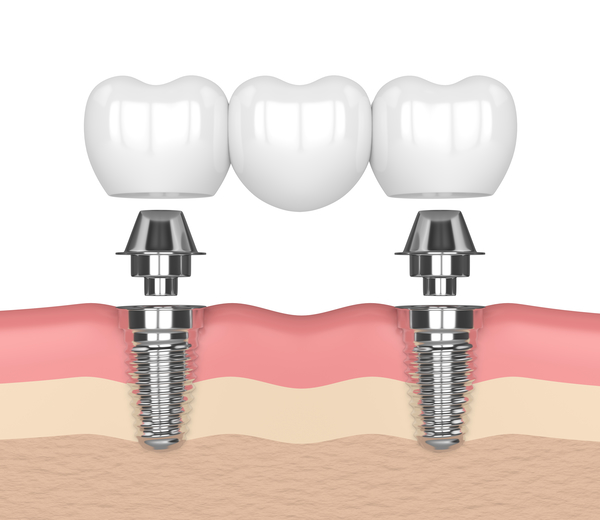
That is where dental implants come in. When a patient is fitted with implants, their dentures can be connected to them, keeping them firmly fixed in position while being worn. This significantly increases the patient's comfort level, since they no longer have to worry about their dentures slipping or falling out.
What to expect when getting dentures supported with dental implants
The process typically starts with a consultation with a dentist. They will go over the patient's medical history and any medication they are currently on. The dentist will also evaluate the patient to ensure they have adequate amounts of bone tissue for successful implant installation. A date will then be set for the installation of the implants, which requires oral surgery. Patients should follow all instructions provided by the dentist on how to prepare for surgery. The instructions might include things like:
- Cutting back on alcohol and tobacco use
- Not eating the day of the surgery
- Preparing for the recovery period
During implant installation, the dentist will administer a shot of anesthetic and the implant, which is typically a titanium screw or rod, is inserted into their bone tissue. Four to six implants are usually installed for each half of the jaw. The restorations are then given up to six months to fuse with the bone tissue holding them in place. The process is termed osseointegration.
Once this is complete, attachments will be added to the external end of the implant. These attachments are used to connect the implants to the patient's dentures.
Benefits of implant-supported dentures
The benefits of supporting dentures with dental implants include:
- The patient gets a more stable teeth replacement option
- It keeps the patient's jaw tissue healthy
- It allows the patient to enjoy a wider range of foods
- It prevents the formation of sores due to dentures
Improve your experience with dentures
If you wear dentures, dental implants can be used to improve your experience with them. Call or visit our Saratoga Springs clinic to get the process started…
Request an appointment here: https://www.mysaratogadentist.com or call My Saratoga Dentist PLLC at (518) 675-3094 for an appointment in our Saratoga Springs office.
Check out what others are saying about our services on Yelp: Read our Yelp reviews.
Recent Posts
Dentures are a well-known option for replacing missing teeth that are often given a bad reputation in their reliability. We have all watched the childhood film, where the elderly character has their dentures fall out of their mouth at the dinner table. While this exaggerated age-old misconception is based on legitimate concerns of denture wearing,…
There are several options for replacing missing teeth, and the treatment that is best for you will depend on factors like lifestyle, budget, and dental health. A professional dentist can help you determine what option is appropriate for you.Options for replacing missing teeth include:Tooth-supported or implant-supported bridgesPartial or complete denturesDental implantsThese options for replacing missing…
The goal of general dentistry can be expressed as treating tooth decay and oral health issues if necessary and preventing them if possible. One of the most effective tools that dentists use in the prevention of tooth decay is fluoride.The enamel is the outermost layer of the tooth. It consists of minerals that combine to…
Tooth decay occurs when bacteria in the mouth damage the tooth's enamel, causing cavities. General dentistry practices can help prevent tooth decay and treat it to avoid the pain, infection, and potential tooth loss that can result from cavities.Bacteria in the mouth is the cause of tooth decay. When these germs combine with food, plaque…