The FAQs of Bone Graft Aftercare
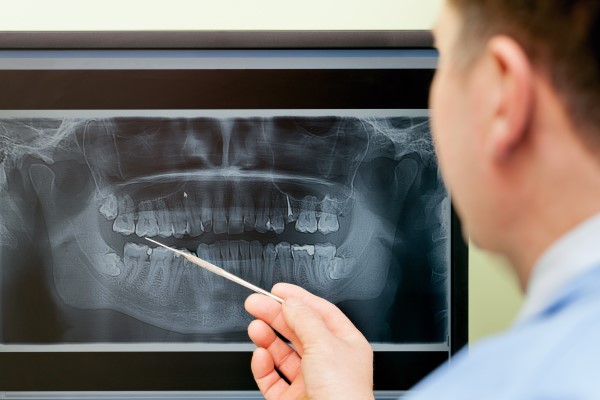
A dental bone graft is the recommended procedure to restore a deteriorated jawbone. Many patients often want to know how quickly their bones will heal and what the aftercare process is after this treatment. The following are answers to some of the most commonly asked questions regarding dental bone graft aftercare.
What is a dental bone graft?
A dental bone transplant is a procedure that uses bone tissue to help the body recover and rebuild itself. Bone graft materials may be sourced from donors or the patient's body. Dental bone grafts help to repair and stabilize bone that has been injured or is structurally compromised. This can be useful for securing loose teeth, promoting bone development following extraction, and preparing the site for dental implants.
What to expect after a bone graft
The healing procedure for a bone graft is simple. A local anesthetic is generally used during your dental bone graft procedure. The patient's gums may feel painful following the procedure because a tiny incision is made in the gum to implant the graft. Patients can alleviate the pain with over-the-counter nonsteroidal anti-inflammatory medications and apply ice to decrease swelling. The new bone will blend in with the old bone in the months after the dental bone graft.
If the bone graft is done to prepare for a dental implant, the dentist will make sure the graft is completely healed before inserting the implant abutment in the jaw. After this has healed, they will make a mold of the teeth for a custom-made implant crown.
How to care for a bone graft
A dental bone graft requires the same care as any other dental procedure. The dentist will offer specific aftercare instructions, but here are some basic recommendations for caring for a dental bone graft:
- Stick to soft foods only; pasta, yogurt, and steamed veggies are all excellent choices
- Avoid foods that are spicy, salty, or excessively hot as these can potentially aggravate the graft area
- Avoid hard or sticky meals; these have the potential to harm sutures and create discomfort
- Avoid chewing around the area; this also helps to keep the sutures safe
However, for maximum recovery, always follow the dentist's precise instructions.
How long does it take for a bone transplant to heal?
The time it takes for a dental bone transplant to heal varies from patient to patient. The area should heal in a week or so following the procedure, although each situation is unique. The actual bone graft procedure might take months to complete.
How long does the discomfort from a dental bone transplant last?
The answer to this question is, once again, very varied. Patients who care for their oral cavity properly should experience minimal discomfort for a short period. Usually, the physical process of transplanting bone to existing bone is not unpleasant.
Are there any risks associated with dental bone grafts?
Bone grafting is a common dental procedure that is thought to be safe with minimal risk of complications. However, there are a few dangers that every patient should be aware of, including infection, bleeding, and nerve injury due to a blood clot. Patients need to contact the dentist immediately if they notice anything out of the ordinary.
Getting a bone graft
If you have additional questions about the possibility of a bone graft, contact the dental office to book an appointment.
Request an appointment here: https://www.mysaratogadentist.com or call My Saratoga Dentist PLLC at (518) 675-3094 for an appointment in our Saratoga Springs office.
Check out what others are saying about our services on Yelp: Bone Graft in Saratoga Springs, NY.
Recent Posts
General dentistry is essential for good oral health at every age. Some parents assume that children do not need routine dental care until permanent teeth start to arrive. However, children of all ages should see a dentist on a regular basis. Parents must also be mindful of their child's tooth and gum development and check…
It is widely known in general dentistry that some foods are better for the teeth and gums than other foods. Consistently eating foods that are bad for your teeth can, over time, lead to painful dental conditions that are often costly to treat. Fortunately, it is easy to avoid or reduce certain foods to lower…
Tooth sensitivity is fairly prevalent among general dentistry patients. According to The Journal of the American Dental Association, approximately 12% of American adults have sensitive teeth. This does not include patients dealing with sensitivity from tooth decay, injuries, or recent dental work. While this issue is not debilitating for most patients, it can affect a…
Implant-supported dentures replace a full arch of teeth with four to six implants. A removable or fixed full-arch bridge attaches to these implants to provide stable chewing and clear speech. There is no need for adhesives. This approach maintains a natural appearance and supports healthy bite and jaw function, helping patients feel comfortable eating and…