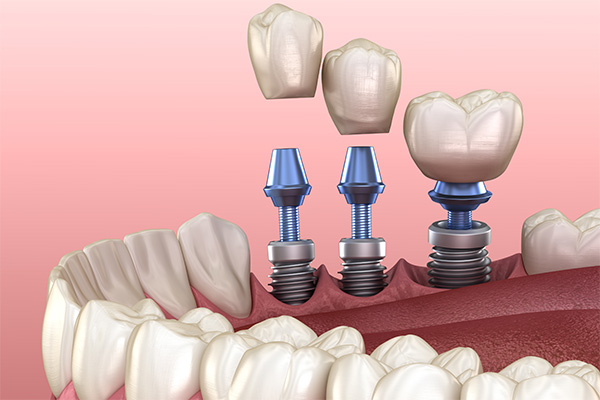
Dental Bridge to Replace Single Missing Tooth
You have probably heard of a bridge as a form of dental restorative work, but do you understand how the process works? This device can be effective at improving your smile and the function of your mouth. The bridge will replace missing teeth and fill in embarrassing gaps that stand out and attract unwanted attention. It can replace a single tooth or many teeth. If you have lost one tooth, you have different treatment options. Consider the benefits of this device and how it can help you achieve your oral health goals.
What is a bridge?
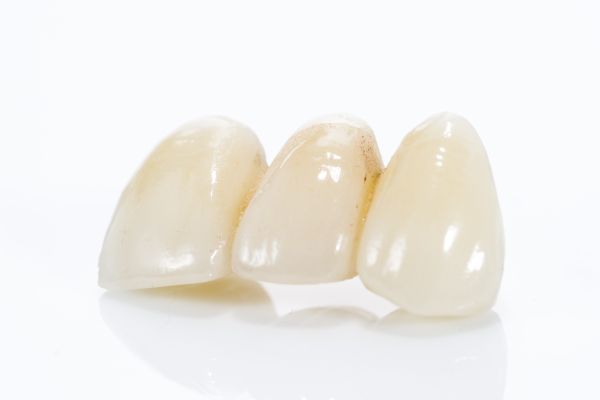
Think of this device as the type one would find over a river or canyon. While this structure closes the space so people can make it from one side to the other, the dental version closes the gap in the mouth. The bridge consists of false teeth that connect to surrounding natural teeth. The dentist places a crown over the natural teeth, which act as an anchor to the artificial ones. Usually, the false teeth are made of porcelain.
Other options
To replace numerous teeth or all of one’s teeth, the dentist may suggest dentures. However, if the person has fewer missing teeth, implants or partial dentures could be a good option. When it comes to missing a single tooth, a bridge makes sense. Even one missing tooth can affect a person’s smile and make it difficult for the individual to feel good about being in social settings. The bridge gets rid of unsightly spaces in the mouth and provides a natural look.
The procedure
If the patient is interested in getting this treatment, there will be a discussion with the dentist. This dental professional will inform the patient of the benefits of the treatment and how it will work. The dentist begins by conducting an oral exam and taking X-rays. The dentist then prepares the natural teeth to receive the caps by shaving part of the teeth away. An impression will be made so a technician can make the crowns and the false teeth. A temporary device will be placed in the patient’s mouth.
The next steps
About a week later, the caps and artificial teeth should be ready. The patient will return to the office where the dentist will remove the temporary teeth. The dentist will numb the patient’s mouth and will then cement the caps over the natural teeth. These will help keep the false teeth in place. The dentist will check to make sure the teeth fit properly. Then, the dentist will attach them to the adjacent teeth.
Look good, feel good
By replacing your missing teeth, you can chew properly and speak more clearly. These false teeth will also improve the shape of your face and keep other teeth from drifting out of place. If you are ready to improve the way you look and how your mouth functions, call your dentist and make an appointment today. You can once again have a mouthful of teeth.
Request an appointment here: https://www.mysaratogadentist.com or call My Saratoga Dentist PLLC at (518) 675-3094 for an appointment in our Saratoga Springs office.
Check out what others are saying about our services on Yelp: Read our Yelp reviews.
Recent Posts
Full mouth reconstruction optimizes oral health, function, and the aesthetic quality of the entire smile when multiple dental issues occur simultaneously. This approach addresses extensive dental concerns all at once rather than treating teeth as separate problems with temporary solutions. Consulting a general dentist can help you create a clear roadmap to eliminate discomfort, correct…
Dental implants are a popular option for replacing missing teeth. While they offer the same aesthetic benefits as other replacement options, there are multiple other benefits provided by dental implants that alternatives fail to deliver.One crucial component of a dental implant is a titanium screw that is placed directly into the jawbone. The screw forms…
The options for replacing missing teeth have brought many people to choose between dentures and dental bridges. It is essential to replace missing teeth for several reasons. Your appearance is affected by missing teeth, and this alone is one of the main reasons people want to replace them. A missing tooth leaves behind a gap…
Dentures are a well-known option for replacing missing teeth that are often given a bad reputation in their reliability. We have all watched the childhood film, where the elderly character has their dentures fall out of their mouth at the dinner table. While this exaggerated age-old misconception is based on legitimate concerns of denture wearing,…