 Dental X-rays are tools used in general dentistry to help patients and providers get a better understanding of the health of the teeth and mouth. These are considered both diagnostic and preventative resources, and patients experience little discomfort for the procedure. There are a variety of dental X-ray options, as each has a different purpose and can present different information to a dental provider.
Need for X-rays
Images of the teeth provide a better picture of a patient’s oral health. Low levels of radiation from the X-rays take a picture of what is happening inside the teeth or gums. These images reveal impacted teeth, cavities, and tooth decay. Dental X-rays can show several things:
- Damages in fillings
- Signs of bone loss
- Spots of decay hidden between the teeth
- Signs of cysts or cancer
- Infections or complications with the nerve of a tooth
- Development of normal or impacted teeth
General dentistry appointments are used to assess current oral health but also to look for early signs of teeth or gum conditions. Looking inside the teeth or below the gums presents a more comprehensive view than an oral exam.
X-ray process
The patient is seated upright in a chair and covered with a lead apron or protective collar around the neck to minimize radiation exposure. Depending on the type of X-ray chosen by the dentist, the film or X-ray sensor will be fitted into a section of the mouth. It is typically the placement of the sensor that could cause some discomfort, but digital X-rays are slowly replacing these awkward film sensors.
Types of X-rays
There are different options with X-rays, as the resulting images reveal specific things about the teeth or gums. A dentist may recommend one or more of the following based on the symptoms or signs a patient exhibits.
Bitewing X-rays
These images are often recommended as a yearly procedure to check for cavities between the teeth or to review the level of bone beneath the gums. These provide a base assessment to look for changes from year to year.
Occlusal X-rays
While not used as often as a bitewing or other forms, these X-rays provide detailed images of the floor or roof of the mouth. A dentist may use this picture to look for impacted teeth, extra teeth, jaw issues, growths, or other abnormalities.
Periapical X-rays
This image presents a full picture of the tooth from the top of the crown down to the top of the root. This X-ray is often recommended when a patient has symptoms with a particular tooth or to follow up on an oral procedure. It can detect deep decay, problems within the bone structure, or an abscess.
Panoramic X-rays
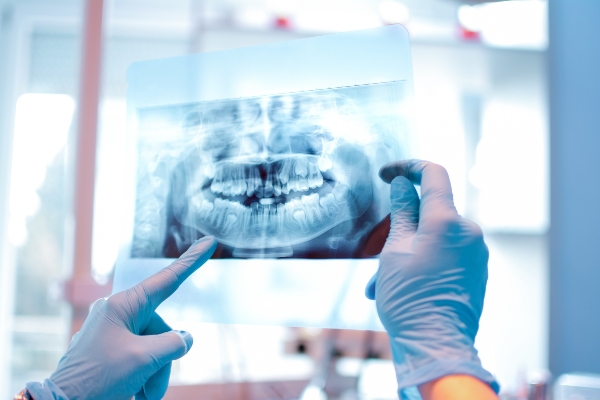
This imaging is generally used every three to five years for an overall mouth evaluation. It could also be recommended prior to an oral or orthodontic procedure.
Conclusion
Dental X-rays usually have little physical impact on a patient and are not considered painful. The images are used to support general dentistry evaluations of the teeth and gums.
Request an appointment or call My Saratoga Dentist PLLC at 518-675-3094 for an appointment in our Saratoga Springs office.
Recent Posts
The goal of general dentistry can be expressed as treating tooth decay and oral health issues if necessary and preventing them if possible. One of the most effective tools that dentists use in the prevention of tooth decay is fluoride.The enamel is the outermost layer of the tooth. It consists of minerals that combine to…
Tooth decay occurs when bacteria in the mouth damage the tooth's enamel, causing cavities. General dentistry practices can help prevent tooth decay and treat it to avoid the pain, infection, and potential tooth loss that can result from cavities.Bacteria in the mouth is the cause of tooth decay. When these germs combine with food, plaque…
General dentistry is essential for good oral health at every age. Some parents assume that children do not need routine dental care until permanent teeth start to arrive. However, children of all ages should see a dentist on a regular basis. Parents must also be mindful of their child's tooth and gum development and check…