 The dentist uses dentures as options for replacing missing teeth in the mouth, correcting aesthetic problems, and allowing you to talk and eat normally. On average, they last up to five years, but they require proper cleaning and maintenance. There are many ways to keep them looking and functionining properly.
People often ask the dentist about the options for replacing missing teeth. Conventional dentures are removable depending on the number of missing teeth (removable partial dentures or complete dentures). There are two categories of dentures, the distinction being whether they are used to replace missing teeth on the mandibular arch and at the maxillary arch or a removable bridge and crown. The materials used in dentures are either porcelain or plastic.
Partial dentures
Partial dentures replace one or a few missing teeth. Partial dentures are when some of your teeth remain in your mouth after tooth loss. In turn, the presence of dentures prevents other teeth from gliding.
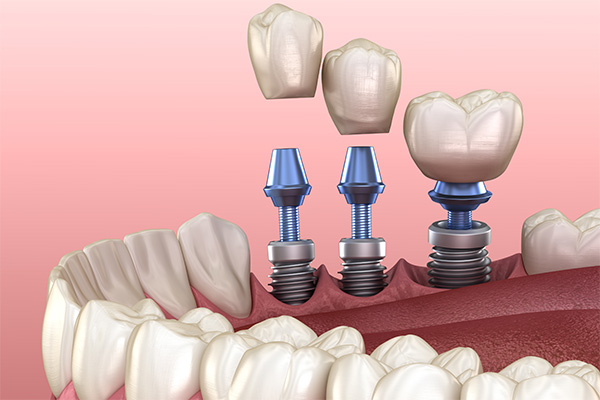
A bridge is fixed by fixing a partial denture using crowns on teeth located on either side of the gap to connect a denture, which is then cemented in place. Bridges like this can connect more teeth. Some examples of partial dentures are:
- Crowns and onlays are placed on the surface of natural teeth that are severely damaged, worn, or have very large fillings. The restoration is suitable for existing teeth.
- A bridge is fixed when other tooth structures surround a missing tooth. A bridge is then fixed on the existing natural teeth.
Once the bridge and crown are fixed, the teeth will feel natural and comfortable, and the chewing function can be restored.
Complete dentures
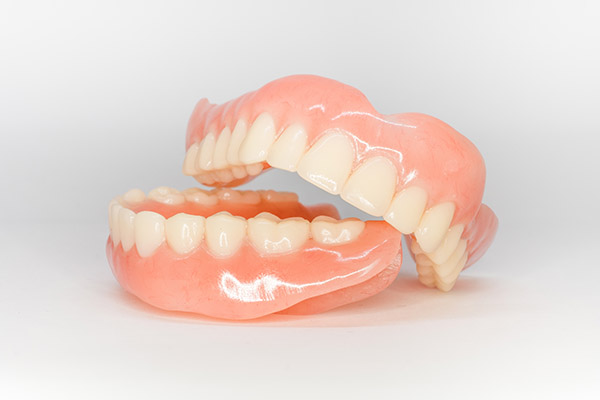
However, complete dentures can be considered one of your options for replacing missing teeth if all the teeth are missing. There are two types of complete dentures: urgent dentures and permanent dentures. After tooth removal, before permanent traditional dentures are ready, you will need urgent dentures for treatment over 2 to 3 months after complete tooth loss.
The reason for this wait is for the jaw and gums to shrink together during treatment, causing the shape of your mouth to change. There may also be a need to readjust the urgent dentures while you wait for permanent dentures. Complete dentures are a routine restoration treatment for patients with edentulous jaws. It’s a removal restoration method that uses artificial teeth and bases to repair the missing natural teeth and mucosal tissue of the upper and lower jaw after all the natural teeth are missing.
Complete dentures replace all your top and bottom teeth, and are most appropriate for people with signficant too loss. These dentures require periodic visits to your dentist to ensure that they properly fit and are still functioning at their best.
Recent Posts
Dental implants are a popular option for replacing missing teeth. While they offer the same aesthetic benefits as other replacement options, there are multiple other benefits provided by dental implants that alternatives fail to deliver.One crucial component of a dental implant is a titanium screw that is placed directly into the jawbone. The screw forms…
The options for replacing missing teeth have brought many people to choose between dentures and dental bridges. It is essential to replace missing teeth for several reasons. Your appearance is affected by missing teeth, and this alone is one of the main reasons people want to replace them. A missing tooth leaves behind a gap…
Dentures are a well-known option for replacing missing teeth that are often given a bad reputation in their reliability. We have all watched the childhood film, where the elderly character has their dentures fall out of their mouth at the dinner table. While this exaggerated age-old misconception is based on legitimate concerns of denture wearing,…