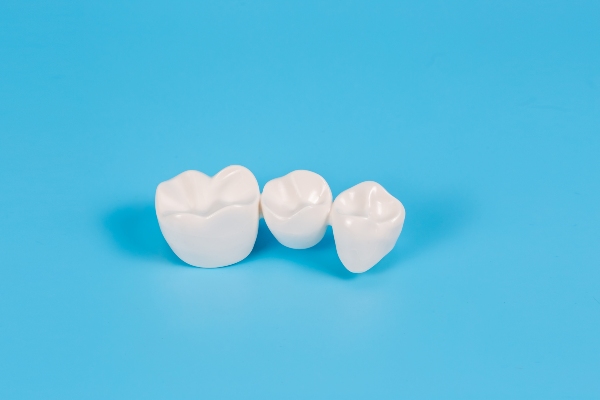
Dental bridges are an effective option for people missing teeth due to trauma, infection, or decay. They can prevent the teeth from shifting, a common side effect of missing teeth. They also restore normal oral function and appearance. Here are a few types of dental bridges a dentist might consider.
Traditional dental bridge
A traditional dental bridge is the most common the dentist employs. The design consists of two dental crowns on either side of a pontic or false tooth. It is custom-made and often requires two appointments to place.
The first appointment involves shaving down the two teeth adjacent to the space left behind by the missing tooth just above their roots. The dentist will then take 3D scans and a mold of the patient's teeth to send to an offsite lab. This will lab craft the dental bridge to fit snugly on the shaven teeth and span the space. Finishing the appointment will involve placing a temporary bridge to protect the shaven teeth and restore functionality.
The second appointment—approximately two weeks later— involves placing the custom bridge. The dentist will test the fit and the patient's bite to ensure no issues before bonding it in place. A traditional dental bridge has a lifespan between five and 15 years with proper care.
Cantilever dental bridge
While similar to a traditional dental bridge, the cantilever is slightly different, only consisting of one crown at the end of the pontic. They can also consist of composite or metal materials. However, the process will remain the same. The first appointment will require the dentist to shave down only one of the natural teeth adjacent to the gap. It is good to note that while traditional bridges are more likely to be placed at the back of the mouth, cantilever bridges are more likely to be at the front.
Maryland dental bridge
Maryland dental bridges are another replacement for the front teeth. Their design consists of metal "wings" attached to the pontic's back. The process is simple compared to the alternatives and requires no shaving of adjacent teeth. It does, however, require the dentist to etch or make grooves on the back of adjacent teeth of the gap to allow the metal clasps to attach to them firmly. To ensure the dental bridge does not move, the dentist will apply and cure a resin bond to the back of the teeth and bridge. With proper care, Maryland dental bridges have a lifespan of at least ten years.
Implant-supported dental bridge
Implant-supported dental bridges have a longer process than the others on this list. It also involves multiple procedures. However, it is a favorite among dental professionals due to its durability. The process involves surgically implanting a titanium post into the jawbone. On top of this post is another small titanium piece that juts out the gum line, enabling a traditional dental bridge to be firmly attached to it. While the traditional bridge will likely need to be replaced within 15 years, the dental implant can last a lifetime as it will act as tooth roots.
Call us for more information
Dental bridges are a great tooth replacement option. If you are curious to discover which is right for you, contact our office and schedule a consultation.
Request an appointment or call My Saratoga Dentist PLLC at 518-675-3094 for an appointment in our Saratoga Springs office.
Recent Posts
No one has to live with a gap in their smile due to missing teeth when a dental bridge offers a versatile and effective solution. It is also important to remember that replacing missing teeth is more than just a matter of cosmetics. Here is why bridging that gap teeth is important and how a…
A healthy, complete smile is not only about looking good but is also important for your overall well-being. Dental bridges can help restore the appearance and function of your teeth. However, common misconceptions about these replacement options can prevent people from understanding their benefits. Let us debunk some common myths about dental bridges.While dental bridges…
A dental bridge is a popular tooth replacement option for those missing one or several teeth. Missing teeth can cause problems that go beyond the aesthetic. Therefore, patients should replace teeth promptly to preserve the health and appearance of their smile. Fortunately, a dental bridge is an effective and natural-looking way to do that.A dental…