How Can a Dentist Tell if I’m a Candidate for Gum Grafting?
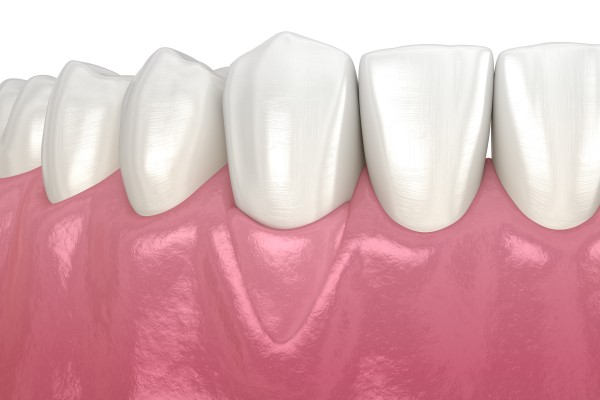
Gum grafting is a dental procedure that involves grafting new gum tissue to improve the gum line and add more support for teeth. This review discusses who makes an ideal candidate for gum grafting and offers additional insights into how the treatment process works so you can make an informed decision as to whether or not treatment is right for you.
Gum grafting: are you a good candidate?
You may be a good candidate for a gum grafting procedure if you have experienced gum recession or have gums that naturally do not extend long enough. The following is a closer look at who is an ideal candidate for gum grafting.
Gum grafting: a dentist’s explanation
A gum graft is a type of oral surgery that involves taking gum tissue and placing it in an area of the gums where there is not enough gum tissue. This is often done to address issues of gum recession that reveal too much of the crowns of teeth. A gum graft primarily is done to improve the patient’s oral health and prevent exposure of each tooth’s root and ensure each tooth is adequately supported by the gums. It can also offer cosmetic benefits as well by providing the patient with a more even gum line.
When might a dentist recommend gum grafting?
As mentioned, gum grafting is most often performed after gum recession takes place, although some patients may elect the procedure if they naturally do not have enough gum tissue and want to improve their smile. A dentist can assess whether or not a patient can benefit from a gum graft during a consultation visit.
The difference between gum grafting vs. gum contouring
Gum grafting is often confused with gum contouring. Contouring involves altering the gum line to improve appearance. This may involve grafting new gum tissue or removing excess tissue. Gum grafting is often performed to address gum recession and improve periodontal health, whereas gum contouring is considered to be more of a cosmetic procedure, although it can also offer oral health benefits as well.
When to visit the dentist for gum grafting
It is encouraged to visit the dentist once every four to six months to check on the status of periodontal health. If there are signs of gum recession, then the dentist may recommend a gum graft procedure. For those who have not been to the dentist in a while, it is important to assess the health of gums as well as check for any signs of gum recession, which would appear as if the gums are pulling away from the crowns of teeth.
Find out if gum grafting is right for you during a consultation visit
If you are considering gum grafting as a way to address gum recession or teeth that are naturally too long and subsequently improve your smile, then schedule a visit with our experienced dental team. We offer gum grafting as well as other procedures designed to improve periodontal health and appearance.
Request an appointment here: https://www.mysaratogadentist.com or call My Saratoga Dentist PLLC at (518) 675-3094 for an appointment in our Saratoga Springs office.
Check out what others are saying about our dental services on Yelp: Gum Grafting in Saratoga Springs, NY.
Recent Posts
Full mouth reconstruction optimizes oral health, function, and the aesthetic quality of the entire smile when multiple dental issues occur simultaneously. This approach addresses extensive dental concerns all at once rather than treating teeth as separate problems with temporary solutions. Consulting a general dentist can help you create a clear roadmap to eliminate discomfort, correct…
Dental implants are a popular option for replacing missing teeth. While they offer the same aesthetic benefits as other replacement options, there are multiple other benefits provided by dental implants that alternatives fail to deliver.One crucial component of a dental implant is a titanium screw that is placed directly into the jawbone. The screw forms…
The options for replacing missing teeth have brought many people to choose between dentures and dental bridges. It is essential to replace missing teeth for several reasons. Your appearance is affected by missing teeth, and this alone is one of the main reasons people want to replace them. A missing tooth leaves behind a gap…
Dentures are a well-known option for replacing missing teeth that are often given a bad reputation in their reliability. We have all watched the childhood film, where the elderly character has their dentures fall out of their mouth at the dinner table. While this exaggerated age-old misconception is based on legitimate concerns of denture wearing,…