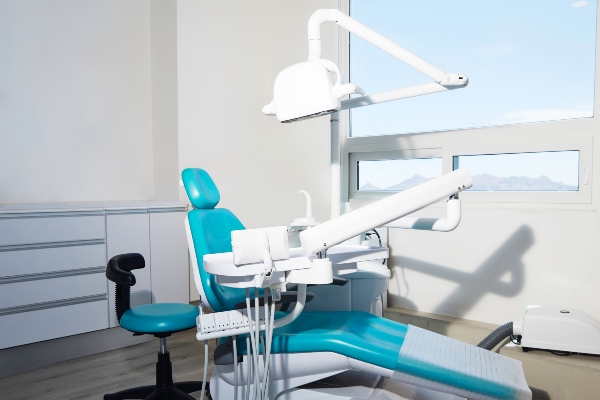
General dentistry is where practitioners provide various treatments for tooth decay, trauma, crowding, gum disease, and other oral conditions. According to the CDC, over 90% of people have at least one cavity. Tooth decay is one of the most common problems general dentists treat.
Understanding general dentistry treatment for cavities
General dentists offer various treatments for a wide array of conditions, including tooth decay. Dental cavities occur because of bacteria that live in plaque. The bacteria convert starches and sugars into acid, which damages the enamel. Since cavities range in severity, various treatment options are at the dentist's disposal.
Demineralization treatment
Enamel is the outer layer of a patient's teeth. It is also the hardest material produced by the human body. When teeth become exposed to bacteria, the enamel loses the minerals. Patients may notice white spots on their teeth due to mineral loss.
General dentists can reverse the early stages of decay. Most dentists treat their patients with fluoride to strengthen the enamel. Stronger enamel helps defend against acids.
Enamel and dentin treatment
If left untreated, the white spot continues to break down. Patients may notice the white area turns brown as a cavity form. The brown site is a small hole within the tooth. If the tooth continues to decay, the dentin begins to break down. Dentin is the material beneath the enamel. Once the cavity reaches the dentin, it progresses faster. General dentistry can address decay in the enamel and dentin in similar ways.
To treat cavities in the enamel and dentin, general dentists may clean the decay and use filling material. Dentists may need to place a crown in cases where the tooth becomes weakened. Once a patient has dentin decay, he or she may notice more sensitivity to hot and cold.
Pulp damage and abscess treatment
The pulp houses the blood vessels and nerves of the tooth. Nerves provide sensation, and the pulp keeps the tooth healthy. However, when decay reaches the pulp, it begins to damage it. As the pulp becomes damaged, it becomes inflamed and puts more pressure on the nerves.
Unfortunately, when the decay reaches the pulp, bacteria may enter through the cavity. The inflammation causes a pocket of pus to form, leading to an abscess. Abscesses cause extreme pain in the mouth, jaw, and face.
Once the pulp suffers damage, patients may need a root canal. The dentist removes the pulp during a root canal, cleans the tooth, and fills it in. Next, the dentist places a crown over the tooth to protect it.
With an abscess, patients still undergo a root canal. In some instances, dentists may also provide antibiotics. In severe cases, patients may require an extraction.
Conclusion
General dentistry is a practice in the dental field similar to primary care in the medical area. General dentists examine, diagnose, and prepare treatments for patients with a wide array of oral health concerns, including treatment for cavities.
Request an appointment or call My Saratoga Dentist PLLC at 518-675-3094 for an appointment in our Saratoga Springs office.
Recent Posts
The goal of general dentistry can be expressed as treating tooth decay and oral health issues if necessary and preventing them if possible. One of the most effective tools that dentists use in the prevention of tooth decay is fluoride.The enamel is the outermost layer of the tooth. It consists of minerals that combine to…
Tooth decay occurs when bacteria in the mouth damage the tooth's enamel, causing cavities. General dentistry practices can help prevent tooth decay and treat it to avoid the pain, infection, and potential tooth loss that can result from cavities.Bacteria in the mouth is the cause of tooth decay. When these germs combine with food, plaque…
General dentistry is essential for good oral health at every age. Some parents assume that children do not need routine dental care until permanent teeth start to arrive. However, children of all ages should see a dentist on a regular basis. Parents must also be mindful of their child's tooth and gum development and check…