How Long Does it Take to Get Dental Implants?
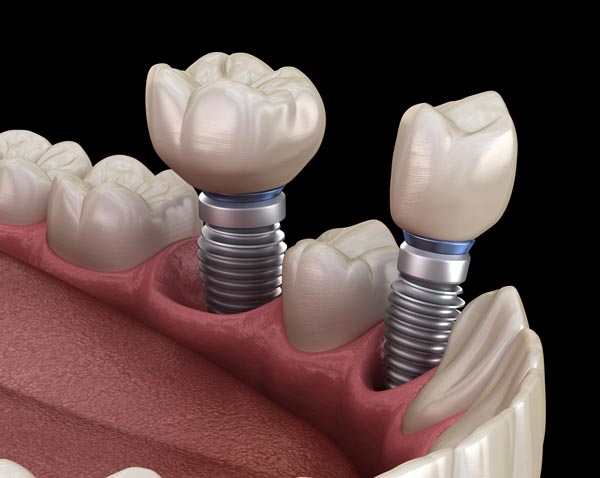
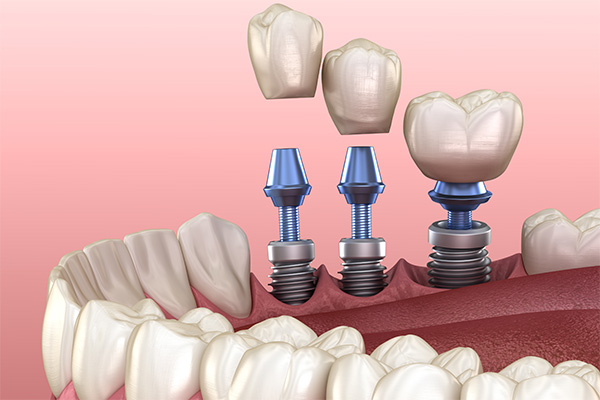
Dental implants are orthodontic devices that dentists use to replace missing teeth. The procedure requires titanium posts to be fused to the jaw with an artificial tooth screwed to the top of the posts, which hold the tooth firmly in place.
How long does the dental implant process take?
Before a patient undergoes dental implant surgery, it is important to understand that there is no set time for the process to be completed due to certain factors, which include:
- The health of the patient’s gums
- The patient’s overall health
- The number of teeth needing replacement
Because these three factors vary with each patient, it is impossible to give an accurate estimate of how long it will take to complete the procedure. The general rule of thumb is that the process takes several months to complete.
What are the steps involved in getting dental implants?
1. Consultation
The first step is the initial consultation, which usually takes 45 to 60 minutes. During the consultation, the dentist will discuss how the procedure works and answer any questions the patient has regarding the procedure.
2. Treatment plan
The dentist and patient go over the treatment plan, which is customized specifically for each patient, to discuss the number of teeth that have to be replaced and also examine the condition of the jaw and the remaining teeth to determine if the jaw and surrounding gum tissue are strong enough to hold the implant in place.
If the dentist determines that the bone in the jaw is not thick enough to hold the implant in place, they will recommend a bone graft to strengthen the jawbone so it can hold the implant in place. If the patient has to undergo a bone graft, there will be a four-month wait for the bone to heal before the patient can undergo dental implant surgery.
What happens during dental implant surgery?
The dentist will proceed with the surgery if there is no need for a bone graft or after the bone graft has healed. They will cut open the patient’s gum and expose the bone. Once the bone is exposed, the dentist will drill holes into the bone and place the titanium post.
After the titanium post has been placed, there will still be a gap in the tooth where the tooth is missing, which can be temporarily covered up with a partial denture. The denture can be removed for cleaning and during bedtime.
Once the jawbone and gums have healed and the titanium post is held firmly in place, the patient will undergo another surgical procedure to place the abutment, where the dental crown will be attached, on the titanium post.
If the abutment was attached to the titanium post before it was fused to the jaw, the patient will not have to undergo the second surgical procedure. After the abutment has been placed on the post, it will take up to two weeks before the gums heal and the artificial tooth is attached.
Conclusion
Dental implant surgery will improve the appearance and functionality of your teeth. However, the procedure requires a long-term commitment because it takes several months to complete. If you are interested in replacing your missing teeth with dental implants, schedule an appointment with your dentist to determine if you are an ideal candidate for the procedure.
Request an appointment here: https://www.mysaratogadentist.com or call My Saratoga Dentist PLLC at (518) 675-3094 for an appointment in our Saratoga Springs office.
Check out what others are saying about our services on Yelp: Read our Yelp reviews.
Recent Posts
Full mouth reconstruction optimizes oral health, function, and the aesthetic quality of the entire smile when multiple dental issues occur simultaneously. This approach addresses extensive dental concerns all at once rather than treating teeth as separate problems with temporary solutions. Consulting a general dentist can help you create a clear roadmap to eliminate discomfort, correct…
Dental implants are a popular option for replacing missing teeth. While they offer the same aesthetic benefits as other replacement options, there are multiple other benefits provided by dental implants that alternatives fail to deliver.One crucial component of a dental implant is a titanium screw that is placed directly into the jawbone. The screw forms…
The options for replacing missing teeth have brought many people to choose between dentures and dental bridges. It is essential to replace missing teeth for several reasons. Your appearance is affected by missing teeth, and this alone is one of the main reasons people want to replace them. A missing tooth leaves behind a gap…
Dentures are a well-known option for replacing missing teeth that are often given a bad reputation in their reliability. We have all watched the childhood film, where the elderly character has their dentures fall out of their mouth at the dinner table. While this exaggerated age-old misconception is based on legitimate concerns of denture wearing,…