Implant Supported Dentures: Secure, Comfortable, and Natural-Looking Smiles

Implant-supported dentures replace a full arch of teeth with four to six implants. A removable or fixed full-arch bridge attaches to these implants to provide stable chewing and clear speech. There is no need for adhesives. This approach maintains a natural appearance and supports healthy bite and jaw function, helping patients feel comfortable eating and speaking.
What implant-supported dentures are — and why stability matters
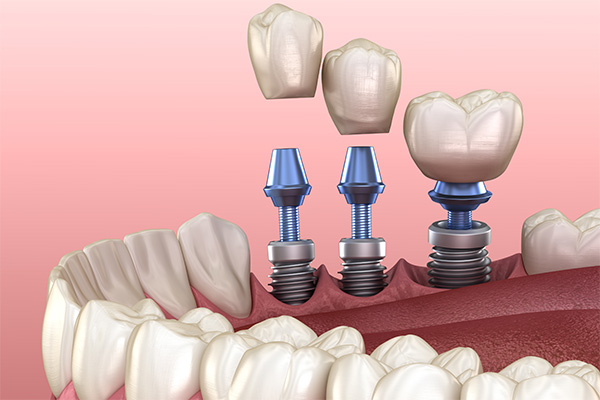
Implant-supported dentures are a full arch replacement that relies on four to six implants (often called All-on-4®, All-on-6, or All-on-X). This bridge can be fixed or removable (overdentures), although the patient cannot remove the implants themselves. This is because the implants are metal posts that are inserted directly into the jawbone. There, they fuse with the bone to act as new tooth roots. Chewing forces are transferred through the implants rather than the soft tissues. This stability limits movement and friction, which supports comfort, clear speech, and predictable daily function.
Everyday benefits of implant-supported dentures
The primary benefit of implant-supported dentures is that they resemble and function like natural teeth. Here are some of the most enjoyable and notable features patients notice every day:
- Can easily eat a wide range of foods
- No slippage or mid-bite adjustments
- Clearer speech with fewer clicks or whistles
- No need for adhesive
- Natural-looking contours that support lips and cheeks
Together, these benefits make meals, work presentations, and social lifestyles feel easier. Moreover, because the implant-supported dentures are rooted in the jawbone, patients quickly become accustomed to them like natural teeth. As a result, many report improved confidence, nutrition, and well-being.
Who makes a good candidate?
Ideal candidates include patients who are missing most or all teeth in an arch and want a permanent alternative to traditional dentures. In a comprehensive evaluation, a cosmetic or general dentist reviews bone volume, gum health, medical history, hygiene habits, and goals. When there is limited bone, grafting or angled implant placement may expand options.
Note that tobacco use, uncontrolled diabetes, and active gum infection can affect healing. These risk factors are addressed and managed before proceeding with the implant process.
The process behind implant-supported dentures
Once the patient is approved for implant-supported dentures, the cosmetic or general dentist can move on to selecting the right material and design, scheduling the procedure, and discussing recovery and long-term care. Take a closer look at the process behind implant-supported dentures below.
Materials and design that look and feel natural
A fixed implant-supported denture contains a metal or zirconia post (the implant), connecting pieces (abutments), and the visible teeth replacement (zirconia or other tooth-colored materials). A removable bridge (overdenture) will also have an acrylic portion that mimics the gum line. Each component strikes a balance between weight, durability, polish, and sound. The dentist will help patients choose the right material and design for their specific needs. With thoughtful planning and skilled craftsmanship, the final result should look and feel natural.
Managing risks during the dental implant procedure
After numbing the patient, the dentist makes a small incision in the gums to access the jawbone. The dentist then gently prepares a small space in the bone and places a small implant post. They will also rinse the spot and cover it with a healing cap. If needed, the dentist will place a few stitches to support healing.
Short-term soreness, swelling, or bruising may occur after dental implant placement. Taking time to heal and leaving the implant site alone helps manage these side effects and prevent infection. Proper care also prevents the dental implant from failing or the development of gum disease around it (peri-implantitis).
Daily care and maintenance
Daily care for implant-supported dentures depends on whether the restoration is removable or fixed. For fixed full-arch bridges, brush twice daily with a soft toothbrush and non-abrasive toothpaste, then use a water flosser or interdental brushes along the margins to clear plaque at the gum line. Patients may opt to finish with an alcohol-free antimicrobial rinse.
For removable overdentures, patients should take the denture out daily, brush it with a soft brush and non-abrasive cleanser, and soak it in a denture-safe solution as directed. Gently brush the gums, tongue, and palate before reseating the overdenture. Ensure that locator inserts and attachment areas are kept free of buildup.
With both types of implant-supported dentures, limit tobacco use and staining drinks and foods for a brighter appearance. Visit a cosmetic or general dentist for professional cleanings, bite checks, periodic imaging, and maintenance, such as replacing inserts or tightening screws, to keep the smile comfortable and stable.
Learn more about implant-supported dentures
Are you interested in replacing teeth with implant-supported dentures? A cosmetic or general dentist can help you choose between overdentures and a fixed bridge, among other full teeth replacements. Reach out to our Saratoga Springs team today.
Request an appointment here: https://www.mysaratogadentist.com or call My Saratoga Dentist PLLC at (518) 675-3094 for an appointment in our Saratoga Springs office.
Check out what others are saying about our dental services on Yelp: Implant-supported dentures in Saratoga Springs, NY.
Recent Posts
One option for someone who is missing teeth is implant supported dentures. It is important to fill in gaps in the mouth; not doing so has a variety of unwanted consequences. In the short term, a missing tooth often leads to pain, as the nearby teeth will start to shift. In addition, these teeth are…
Implant supported dentures have become a popular choice for tooth replacement. They are known to help sufferers of missing teeth regain the ability to eat, speak, and smile naturally, all of which can be lost when the teeth fall out or are extracted. However, many wonder how these dentures differ from traditional ones. Keep reading…
Implant supported dentures are a hybrid tooth replacement treatment performed by cosmetic dentists. They work to replace missing teeth, which enhances one's appearance and improves the bite, making it easier to speak and eat naturally. However, the process is not a simple procedure, as there are a few steps to be aware of. Keep reading…
Dentures are a common solution for those who have undergone tooth extraction or lost multiple teeth. They offer a way to restore function and aesthetics to the mouth after the loss of natural teeth. Whether due to injury, decay, or disease, tooth extraction can leave gaps that affect not only the appearance of an individual's…