 For many people hoping to have a brighter smile, professional teeth whitening is a healthy option. In-office visits use bleaching agents to achieve lighter and faster results than over-the-counter treatments. However, this use of more potent agents means patients should consider their current dental history before deciding on professional whitening treatments.
It is important to weigh the options with a dentist. Even if previous dental work or oral complications prevent a patient from professional whitening treatments now, future therapy for progressive discoloration is possible with restorative and preventative care. The primary concern is figuring out which patient can benefit most from whitening treatments and who requires further dental care prior to a bleaching procedure.
Why are whitening procedures recommended for healthy teeth?
While dental whitening is beneficial for many people, dental professionals generally recommend such treatments for patients with permanent, natural teeth and good oral health. A dentist also considers the color of the stains. Professional bleaching treatments can be an excellent option for people with prominent teeth yellowing. However, the American Dental Association advises against whitening treatments for patients with brown or gray discoloration.
Professional teeth whitening treatments use trays customized for patients to help shield the gums from the bleaching chemicals. Healthy gumlines and teeth also have better resilience, so patients generally experience less sensitivity both during and after the procedure. Candidates with good oral hygiene and health are more likely to be recommended for professional bleaching treatments. Other patients may be advised to look into restorative and preventative care before attempting these procedures.
Who may require further dental work for healthy white teeth?
There are several factors to consider before determining the immediate eligibility of a patient for whitening:
- Gum health
- Existence of caps, crowns or other restorative dentistry applications
- Sensitivities and allergies
Patients with gum disease are less likely to fair well with the chemicals used in professional whitening treatments, sometimes experiencing tooth sensitivity and gum irritation. Because of these risks to patients, dentists typically suggest treating the disease first, improving gum health before attempting to reverse discoloration.
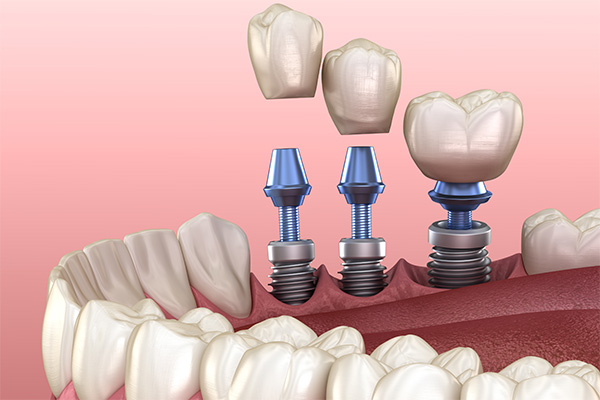
For people with existing dental work, like crowns, whitening treatments tend not to be viable options. While bleaching works to whiten yellowish stains on natural teeth, restorative appliances do not brighten in the same way. However, patients with prior dental work can still achieve brighter smiles through other dental procedures, such as bonding or veneers. Both procedures work by applying a substance or material — bonding resin or porcelain — that a dentist then colors to match surrounding teeth or a patient's desired brightness.
Check out what others are saying about our dental services on Yelp: Professional Teeth Whitening in Saratoga Springs, NY.
Conclusion
Professional teeth whitening achieves rapid results and is appropriate and healthy for many dental patients. The chemicals can present risks of sensitivity to some patients, primarily those with existing dental health issues, and the treatments may not be effective with replacement teeth. However, whatever the current condition of a patient's mouth, a dental professional can help them develop a bright and healthy smile to be proud of.
Request an appointment or call My Saratoga Dentist PLLC at 518-675-3094 for an appointment in our Saratoga Springs office.
Recent Posts
Full mouth reconstruction optimizes oral health, function, and the aesthetic quality of the entire smile when multiple dental issues occur simultaneously. This approach addresses extensive dental concerns all at once rather than treating teeth as separate problems with temporary solutions. Consulting a general dentist can help you create a clear roadmap to eliminate discomfort, correct…
Dental implants are a popular option for replacing missing teeth. While they offer the same aesthetic benefits as other replacement options, there are multiple other benefits provided by dental implants that alternatives fail to deliver.One crucial component of a dental implant is a titanium screw that is placed directly into the jawbone. The screw forms…
The options for replacing missing teeth have brought many people to choose between dentures and dental bridges. It is essential to replace missing teeth for several reasons. Your appearance is affected by missing teeth, and this alone is one of the main reasons people want to replace them. A missing tooth leaves behind a gap…