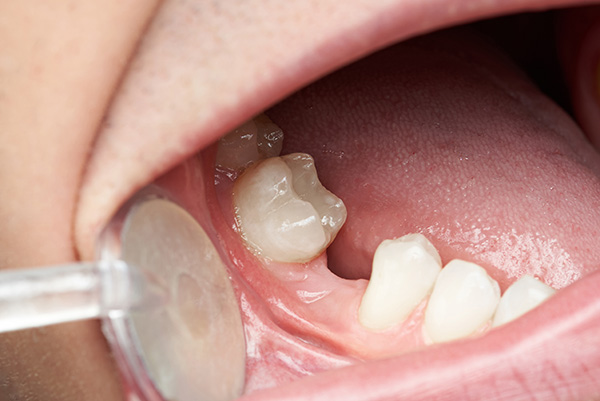
 Gum disease, which is also known as periodontitis, is common, and there are various treatment methods available in general dentistry. There are three phases of this disease, and if it is caught and treated during the early phase, it is reversible. Treatment is much easier and less invasive early on, even before symptoms appear, which is why it is important to get checked regularly by a dentist.
Signs and symptoms of gum disease
The early stage of gum disease is called gingivitis, and the signs and symptoms at this stage may be quite subtle. Early signs include red, swollen gums and gums that bleed frequently. A dentist may also notice gum recession, which is when there is a loss of gum tissue, which exposes more of the tooth.
As periodontitis advances, the gums become more infected and gum recession increases to the point that the tooth's root may be exposed. Symptoms at more advanced stages include tooth sensitivity, pus-filled lesions on the gums, loose teeth, constant bad breath, and pain while chewing. If left untreated, the teeth may eventually fall out because there is nothing anchoring them in.
General dentistry treatment options
A dentist can diagnose gum disease before a patient even notices many symptoms. Treatment at this stage is easier than if the infection progresses to the advanced stages.
At-home hygiene
If detected early enough, the dentist may recommend better brushing and flossing techniques at home to help treat the issue. If at-home care is not sufficient, the first general dentistry treatment is scaling and root planing.
Scaling and root planing
Scaling and root planing is a deep cleaning of the teeth and gums. During this procedure, the dentist uses a special instrument to scrape the buildup of tartar and plaque from the teeth, surfaces of the teeth's roots, between the gums, and underneath the gums.
Next, the dentist smooths the rough areas of the roots to prevent bacteria from being able to attach. This also makes it easier for the gums to heal and reattach to the clean surfaces of the teeth.
Flap surgery
In more advanced stages of periodontitis, the dentist may recommend flap surgery, which is also called pocket reduction, and this removes bacteria from beneath the gum tissues. The first part of the procedure consists of removing tartar and plaque buildup. Next, a small incision is made in the gums, and the gum tissue is folded back to reveal the underlying teeth. The bacteria are then removed from the roots and surrounding areas. Once the area is cleaned up, the gum tissue is sutured and put back in place.
Gum graft
If the tooth roots are exposed, the dentist may recommend a gum graft. This consists of taking gum tissue from elsewhere and using it to cover up the bare roots. This helps prevent further bone loss and further recession.
Conclusion
In general dentistry, gum disease treatment is common. Options vary from conservative procedures to more invasive surgeries to combat inflammation and infection.
Request an appointment or call My Saratoga Dentist PLLC at 518-675-3094 for an appointment in our Saratoga Springs office.
Recent Posts
The mouth can reflect changes occurring elsewhere in the body, making partnering with a general dentist an important part of overall wellness. Routine exams and cleanings help identify oral concerns early, reduce harmful bacterial buildup, and provide patients with practical guidance for maintaining daily oral health. Consistent care also supports communication between dental and medical…
The goal of general dentistry can be expressed as treating tooth decay and oral health issues if necessary and preventing them if possible. One of the most effective tools that dentists use in the prevention of tooth decay is fluoride.The enamel is the outermost layer of the tooth. It consists of minerals that combine to…
Tooth decay occurs when bacteria in the mouth damage the tooth's enamel, causing cavities. General dentistry practices can help prevent tooth decay and treat it to avoid the pain, infection, and potential tooth loss that can result from cavities.Bacteria in the mouth is the cause of tooth decay. When these germs combine with food, plaque…