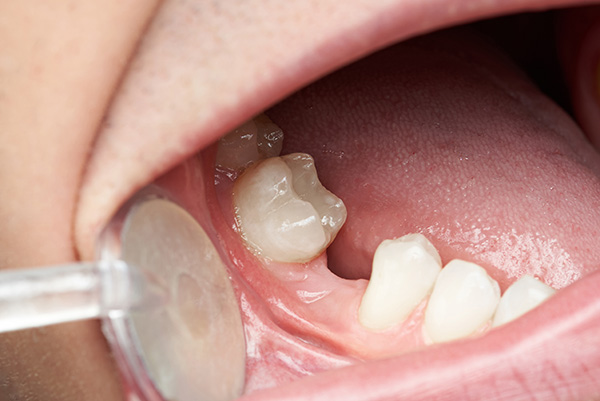
 With all the information circulating about sugar, you may wonder if avoiding sweet treats entirely benefits your oral health. As any general dentistry office will likely tell you, cutting sugar from your diet can have a significant positive impact on your teeth and gums.
How does sugar cause dental problems?
Your mouth is full of bacteria. This is not an entirely negative thing. In fact, you need good bacteria in your mouth to break down food and help destroy bad bacteria.
Speaking of harmful bacteria, though, there is something to know about these germs: They feed on sugar. So when you eat something with sugar, the bad germs flock to it and create acids with it — acids that can erode your tooth enamel.
Further, it does not stop there. Weakened or eroded tooth enamel can make your teeth more susceptible to cavities and decay, which can further result in infection and gum disease.
Of course, this is more of an issue when you leave sugar sitting on your teeth. If you follow certain tips and good dental hygiene, you can typically have a sugary treat now and then without the situation in your mouth getting out of hand.
Tips for maintaining good oral health
If you want to indulge in sweets every now and then, you need to learn how to do so in such a way that does not harm your tooth enamel. Here are some tips to keep in mind.
1. Brush after eating
If you brush and floss twice a day, you are on the right track. However, be sure to consider that mid-morning muffin or late-afternoon snack. If you are only brushing twice a day, sugar may sit in your mouth for hours. If you are in a place where you can brush, floss, or do a swish of mouthwash, do so! Otherwise, consider at least washing your food down with water or a cup of green tea, which may have antimicrobial properties, according to a 2016 article on nature.com.
2. Drink water with fluoride
Fluoride is a natural cavity-fighter. While you can get fluoride treatments during a general dentistry appointment, it is also found in drinking water. It cannot completely counteract sugar consumption, but this mineral can help restore enamel, thereby protecting teeth from cavities.
3. Limit sugar
There is no getting around it: Cutting back on sugar does help to protect your teeth. That does not mean you need to avoid it completely, but try to limit your consumption or at least be more mindful of how and when you are eating it. In many cases, you can replace foods that contain added sugar with less sweet, more natural replacements and not miss out on taste. Less sugar to feed on often means bacteria cannot do as much damage to your enamel.
4. See your general dentist regularly
Keep up with your twice-yearly checkups and cleanings. Your dentist will clean and polish your teeth and address cavities quickly, so infection does not spread in your mouth and your gums stay healthy.
Conclusion
Sugar is one of the main culprits causing cavities and tooth decay, especially in children. Cutting back on sweets and seeing your general dentistry practice regularly can help you have a healthier mouth.
Request an appointment or call My Saratoga Dentist PLLC at 518-675-3094 for an appointment in our Saratoga Springs office.
Recent Posts
The mouth can reflect changes occurring elsewhere in the body, making partnering with a general dentist an important part of overall wellness. Routine exams and cleanings help identify oral concerns early, reduce harmful bacterial buildup, and provide patients with practical guidance for maintaining daily oral health. Consistent care also supports communication between dental and medical…
The goal of general dentistry can be expressed as treating tooth decay and oral health issues if necessary and preventing them if possible. One of the most effective tools that dentists use in the prevention of tooth decay is fluoride.The enamel is the outermost layer of the tooth. It consists of minerals that combine to…
Tooth decay occurs when bacteria in the mouth damage the tooth's enamel, causing cavities. General dentistry practices can help prevent tooth decay and treat it to avoid the pain, infection, and potential tooth loss that can result from cavities.Bacteria in the mouth is the cause of tooth decay. When these germs combine with food, plaque…