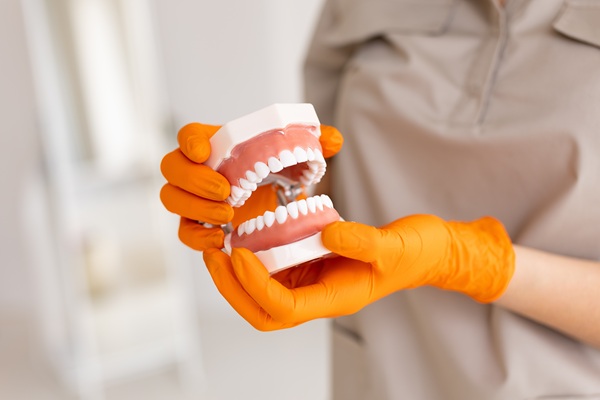
Dentures are a common solution for those who have undergone tooth extraction or lost multiple teeth. They offer a way to restore function and aesthetics to the mouth after the loss of natural teeth. Whether due to injury, decay, or disease, tooth extraction can leave gaps that affect not only the appearance of an individual's smile but also their ability to eat, speak, and maintain proper oral health. Dentures are designed to fill these gaps, offering several benefits that can enhance a patient's quality of life.
Dentures restore functionality
The primary benefit of dentures after tooth extractions is the restoration of functionality, particularly in terms of chewing and speaking. Missing teeth can significantly impact one's ability to bite, chew, and enjoy a variety of foods. People with gaps in their teeth may find it difficult to eat foods like apples, corn on the cob, or meats that require thorough chewing.
Dentures, however, enable individuals to regain the ability to chew these foods, thereby improving their nutrition and overall quality of life. Additionally, dentures help restore the ability to speak clearly. Missing teeth can make it challenging to pronounce certain words or sounds, but dentures help correct this, allowing individuals to communicate more effectively.
Dentures offered enhanced aesthetics
Tooth extraction can result in an incomplete or uneven smile, which can affect one's confidence. In fact, Cigna® published a study revealing that 16 percent of the participants believe their smile impairs their confidence. Dentures restore the appearance of a full set of teeth, providing a natural-looking, attractive smile.
Dental professionals carefully craft dentures to match the shape, size, and color of natural teeth, ensuring a seamless and aesthetically pleasing result. The aesthetic improvements provided by dentures can help individuals feel more comfortable in social and professional settings.
Dentures offer a personalized fit
Modern dentures, no matter the type, are designed for comfort. This means customization is necessary to ensure a precise fit for each patient. Advances in dental technology enable the fabrication of dentures that fit more securely and comfortably than ever before. The dentist and patient will work together to ensure that the dentures are crafted to suit the patient's unique mouth structure, enabling individuals to select the most suitable option for their specific needs..
There are various types of dentures available, including:
- Partial dentures. Replace one or more missing teeth while supporting the remaining natural teeth.
- Full dentures. Also known as complete or traditional dentures, this type replaces an entire set of missing teeth in either the upper or lower jaw.
- Implant-supported dentures. Attached to dental implants for a more secure fit, providing greater stability.
Each set of dentures can be tailored to match the patient's cosmetic and functional goals, ensuring both comfort and confidence in daily life.
Dentures support oral health
Dentures, particularly partial dentures, help maintain the health of the remaining natural teeth. After tooth extraction, the surrounding teeth will start to shift and move into the empty space. This shifting can lead to bite problems and even cause some misalignments in the teeth over time. Dentures prevent these shifts from occurring by filling the gaps left by missing teeth, maintaining the alignment of the remaining natural teeth and reducing the risk of future dental issues. Further, dentures make it easier to maintain good oral hygiene. Individuals can clean and care for them easily to help ensure the gums and remaining teeth stay healthy.
Improved quality of life
Dentures provide significant improvements to the quality of life after tooth extraction. The ability to speak and eat normally is essential for daily activities, and dentures bring back the convenience of these functions. Additionally, dentures help maintain the ability to enjoy a varied and balanced diet. Without teeth, individuals may struggle to chew certain foods, which can result in a limited diet.
Dentures restore this capability, allowing individuals to eat a wider range of foods that require more chewing. This contributes to better nutrition and overall health. By restoring normal functionality to the mouth, dentures enable individuals to continue engaging in activities they may have previously avoided due to the discomfort of missing teeth.
Schedule a consultation
Dentures offer numerous benefits after undergoing a tooth extraction, including the restoration of functionality, aesthetics, and overall quality of life. They help individuals regain the ability to chew, speak, and smile confidently. Have you recently been through a tooth extraction and need to restore the appearance and function of your smile? Call our office today to schedule a consultation and determine the best type of denture to suit your needs.
Request an appointment here: https://www.mysaratogadentist.com or call My Saratoga Dentist PLLC at (518) 675-3094 for an appointment in our Saratoga Springs office.
Check out what others are saying about our dental services on Yelp: Dentures and Partial Dentures in Saratoga Springs, NY.
Recent Posts
Dentures can restore normalcy to the functions of chewing and eating, but for first-time wearers, there is a period spent adjusting to new dentures. By asking a dentist about this transitionary period, it is possible to minimize the discomfort and awkward mishaps that often accompany getting used to a new dental appliance. In addition, dealing…
Removable artificial teeth are called dentures. They replace permanent teeth lost or extracted due to damage or extensive decay. False teeth are a traditional dental restoration method that has been around for centuries and is still effective today. However, there are things you need to know about them before you start wearing them.Your dentist can…
There are many treatments available to restore missing teeth, dentures are among the most common. They consist of appliances that are usually removable and consist of a base of hard acrylic or metal that supports artificial teeth. Their purpose is to restore oral function so that you can talk and eat more or less the…
Partial dentures are a popular replacement option for missing teeth. You could potentially benefit from them if you have lost some of your permanent teeth, but there are still some healthy ones that remain in the jaw. Your dentist can explain if you are a candidate for partials. If you are, you should learn all…